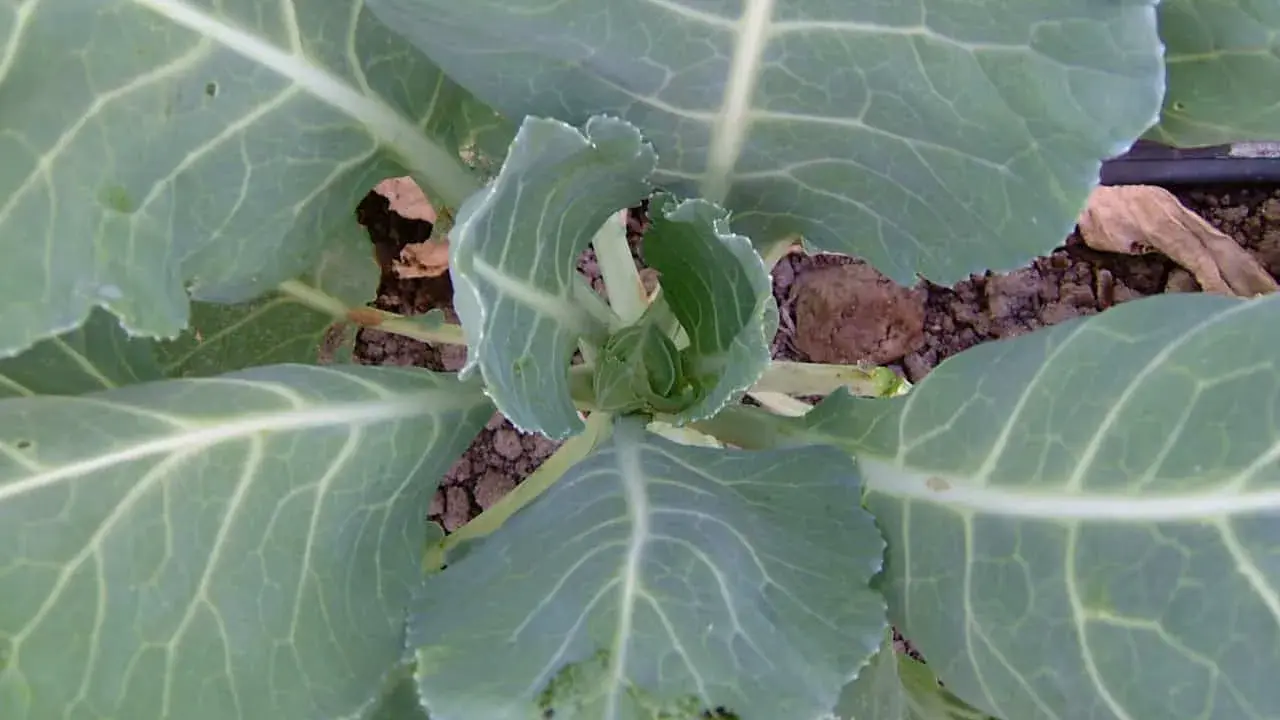
Collard greens are at their best when the leaves are still tender, deep green, and sized for the way you plan to cook them. Knowing when to harvest collard greens is mostly about reading the plant, not chasing a fixed date: look at leaf size, stem thickness, and how fast new growth is forming. In this guide, I’ll show you the signs I use, the harvest window that works in most U.S. gardens, and the mistakes that leave collards tough or bitter.
The practical signals that collards are ready to pick
- Start checking leaves when they reach about 6 to 8 inches long, then pick freely in the 8 to 12 inch range.
- Most plants are first ready around 50 to 80 days, depending on whether you started from transplants or seed and which variety you planted.
- Pick in the cool morning for better texture and storage life.
- Harvest the outer, lower leaves first and leave the center growth intact so the plant keeps producing.
- Light frost usually improves flavor; hard freezes usually mark the end of the season unless plants are protected.
- If leaves get too large, they are still useful, but they usually belong in braises, soups, or long-simmered dishes.
How to tell the leaves are ready to pick
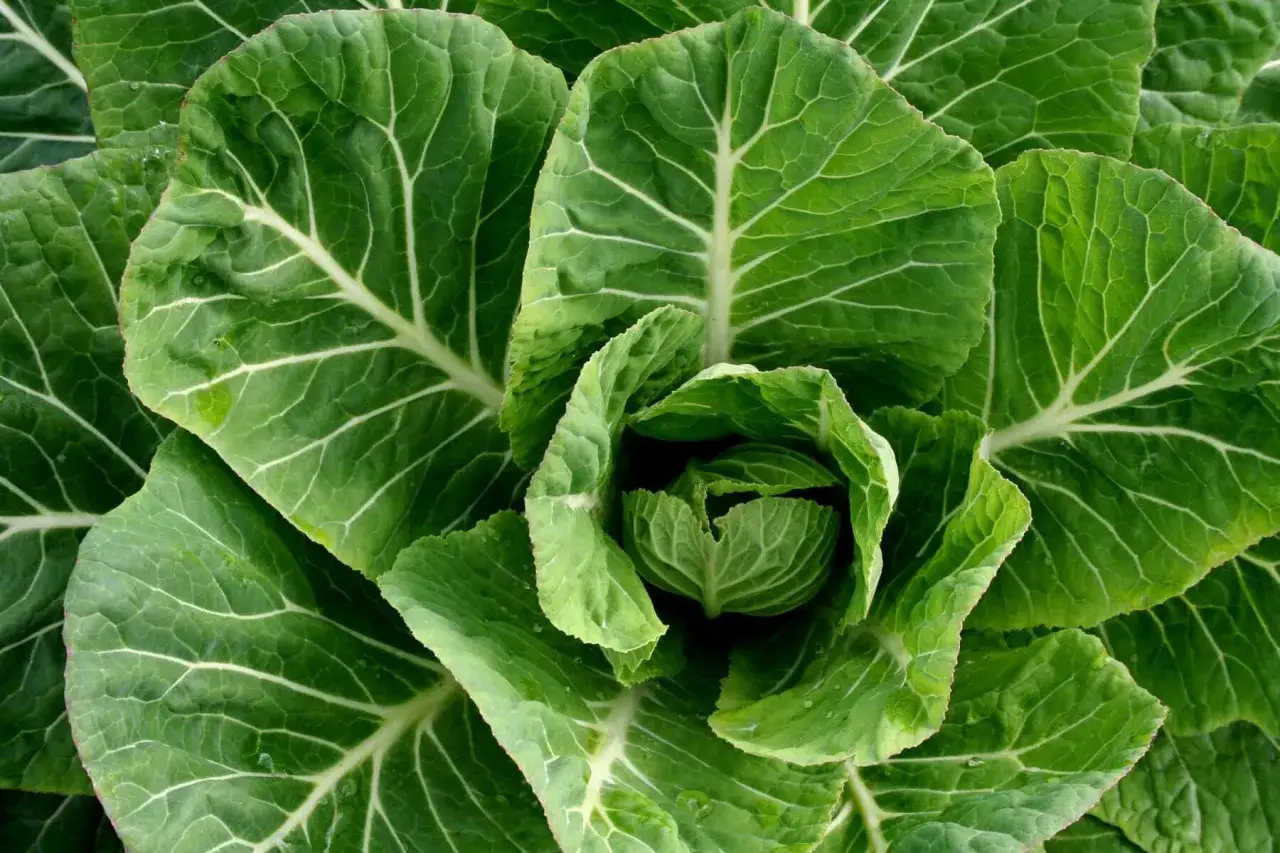
The first thing I look for is simple: a leaf that bends without feeling floppy, with a rich green color and a clean, unblemished surface. A ready collard leaf should feel substantial, but not leathery. If the leaf blade is still smooth and the midrib does not look thick and woody, you are in the sweet spot.
I also pay attention to where the leaf sits on the plant. The oldest leaves are usually on the outside and lower down, and those are the ones I harvest first. The newest growth in the center should stay on the plant so it can keep pushing out more leaves. That one habit makes the difference between a short harvest and a long one.
- Good color means a deep, healthy green rather than pale, yellowing, or stressed foliage.
- Flexible texture means the leaf still has tenderness, especially along the veins.
- Moderate size usually means better flavor and easier cooking.
- Healthy center growth means the plant can recover after picking.
Once you can read those signs, the calendar becomes a backup tool instead of the main decision-maker. That leads naturally to the question of timing by age and size.
The harvest window that works in most gardens
For many home gardens, collards are ready for the first real harvest somewhere between 50 and 80 days after planting. Transplants usually shave time off that window, while direct-seeded plants take longer. Variety matters too, so I treat those numbers as a guide rather than a promise.
| Leaf stage | What I see | Best use | My call |
|---|---|---|---|
| Baby leaves | About 6 to 8 inches long, thin stems, very tender | Quick sautés, mixed greens, softer textures | Pick if you want mild flavor and a delicate bite |
| Prime picking size | About 8 to 12 inches long, dark green, supple midrib | Steaming, braising, classic Southern-style greens | This is the main harvest window I aim for |
| Late leaves | 12 inches or more, thicker ribs, stronger texture | Soups, long simmering, freezer batches | Harvest soon if you still want usable quality |
If I have to choose between the calendar and the leaf, I choose the leaf every time. A plant can be “old enough” on paper and still not be ready if the weather has been cool and growth has slowed. The reverse is also true in warm, fertile weather: collards can size up fast and become tough if you wait too long.
How to harvest without slowing the plant down
The easiest way to extend your harvest is to be selective. I start with the lowest outer leaves, because those are the oldest and usually the first to lose tenderness. I use clean pruners, a sharp knife, or a downward snap by hand if the stem is soft enough. The goal is not to strip the plant bare; the goal is to let it keep working for you.
- Pick the outer leaves first, not the newest growth in the center.
- Cut or snap each leaf close to the stem without tearing the main crown.
- Leave enough foliage behind for the plant to keep photosynthesizing and regrowing.
- Take only a few leaves from a smaller plant, or up to about half from a large, vigorous one.
- If you want a one-time bulk harvest, cut young plants at soil level instead of picking leaf by leaf.
I think of collards as a cut-and-come-again crop, which means you harvest pieces of the plant and let it regrow for another round. That approach gives you more leaves over a longer season than a single hard harvest. Once the plant starts regrowing after a pick, you can usually return in about a week in active weather, a little longer when growth slows.
That harvesting style also helps explain why weather matters so much: collards can keep producing, but only if the plant stays healthy and the leaves remain worth eating.
Why cool weather improves flavor
Collards are a cool-season green, and they taste better when temperatures drop. Warm weather pushes fast growth, but fast growth usually comes with tougher texture and a stronger, sometimes bitter flavor. Cool nights slow the plant down just enough to keep the leaves sweeter and more tender.
Light frost is a bonus, not a requirement. I would never leave good leaves unpicked just because frost has not arrived yet. But if the plant has already formed a solid harvestable leaf, a few chilly nights can noticeably improve the eating quality. In many U.S. gardens, that is why fall and early winter collards often taste better than spring-planted ones that were harvested in heat.
- Cool mornings give you firmer leaves that store better after harvest.
- Light frost often softens bitterness and improves sweetness.
- Heat stress usually makes the leaves tougher and the flavor stronger.
- Hard freezes can damage leaves, so harvest before repeated freezing is expected unless the plants are protected.
If you garden in the South, collards can carry you deep into the cool season. In colder regions, a fall planting usually gives the cleanest flavor and the longest useful harvest. From there, the next challenge is knowing when the leaves have gone past their best stage.
When you have waited too long
One of the easiest mistakes to make is assuming bigger leaves automatically mean a better harvest. They do not. As leaves age, the ribs thicken, the texture gets more fibrous, and the flavor can turn sharp or flat. The plant is still edible, but it changes jobs: from tender green to a tougher cooking green.
| What I notice | What it usually means | What I do |
|---|---|---|
| Thick, pale midribs | The leaf is getting woody and less tender | Harvest it for slow cooking or remove the rib before cooking |
| Yellowing lower leaves | The plant is aging or stressed | Pick what is still usable and check watering and nutrition |
| Flower stalks forming | The plant is bolting and quality is declining | Harvest promptly before texture drops further |
| Leaves feel coarse and dry | The plant has passed peak tenderness | Use for soups, stews, or freezer prep instead of quick cooking |
If a collard leaf is too mature for the dish you had in mind, that does not make it useless. It just changes the cooking method. Slow heat can rescue older leaves, but it cannot fully restore the tenderness you would have had if you picked earlier.
What to do right after picking
Fresh collards keep best when they are cooled quickly and handled gently. I prefer to harvest in the morning, keep the leaves out of direct sun, and get them into the refrigerator as soon as practical. If they are dirty, I rinse them, but I avoid soaking them longer than necessary because excess moisture shortens storage life.
- Store leaves unbruised and dry in a bag or container in the refrigerator.
- Use a paper towel to absorb extra moisture if the leaves feel damp.
- Cook within a few days for the best texture, or hold them for about 1 to 2 weeks if they are in good condition.
- Blanch before freezing if you want to save a larger harvest for later use.
Smaller, younger leaves are the best candidates for salads or quick sautés, while larger leaves are better if you plan to blanch, freeze, or cook them down slowly. I treat storage as part of harvest timing because a perfectly picked leaf can still disappoint if it sits too warm or too wet after harvest.
The harvest rhythm that keeps one planting productive
If I want collards to keep producing, I do not harvest them all at once unless I need a one-time crop. Instead, I take the oldest outer leaves, let the plant recover, and return regularly. That steady rhythm keeps the bed productive and the leaves in the tender range longer.
For a longer season, I also think in plantings, not just picks. A spring planting gives you early leaves, while a late summer or early fall planting often gives the best flavor in much of the United States. If space allows, staggering plantings by a couple of weeks spreads out the harvest and reduces the pressure to pick too late.
The simplest rule I can give is this: harvest when the leaves are still supple, dark green, and sized for the dish you want. Once the ribs turn leathery, the plant stops acting like a salad green and starts acting like a braising green, and that is the point where your cooking method has to do more of the work.