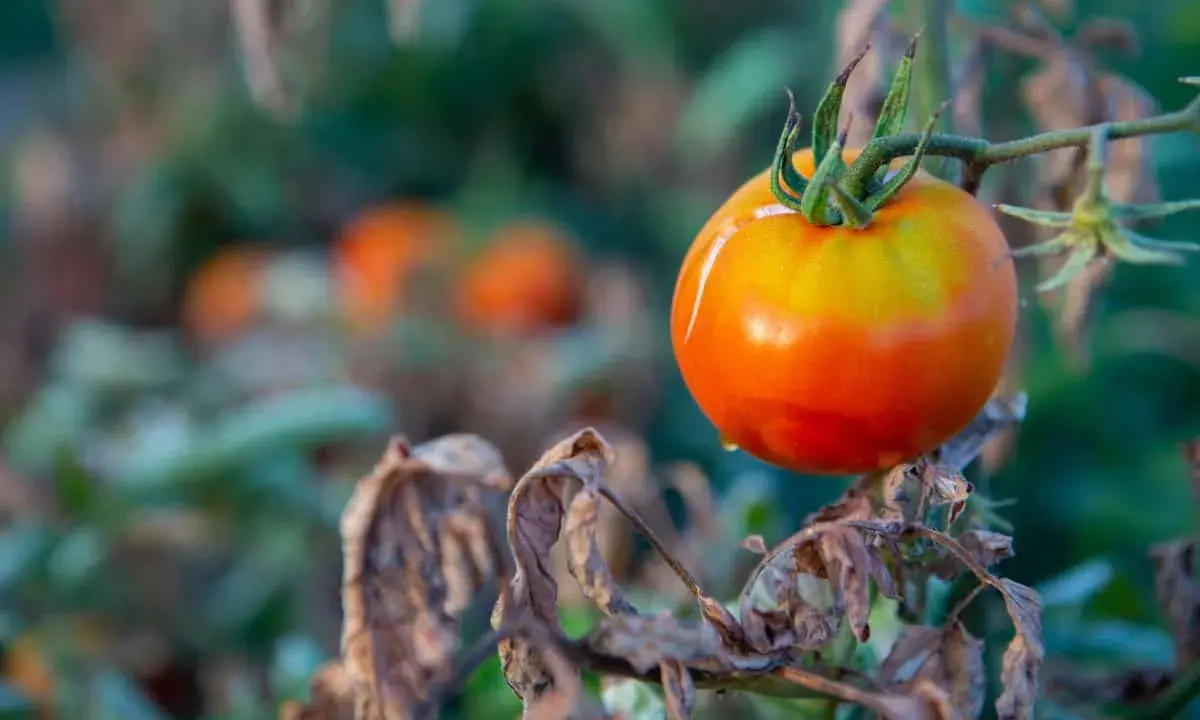
Tomato plants can get too much sun, but the real issue is usually not daylight alone. It is the combination of intense direct light, high temperatures, dry soil, and fruit that is suddenly exposed after pruning or leaf loss. In this guide I break down what that stress looks like, when it starts to matter, and what actually helps when summer weather turns harsh.
The quick answer for tomatoes in hot gardens
- Tomatoes need full sun, but they still have a heat limit; strong light and scorching afternoons are not the same thing.
- Most plants do best with about 6 to 8 hours of direct sun, with many productive gardens aiming for 8 hours or more.
- The danger zone is often around 90 to 95 F and above, when flower set weakens and fruit can stop sizing up normally.
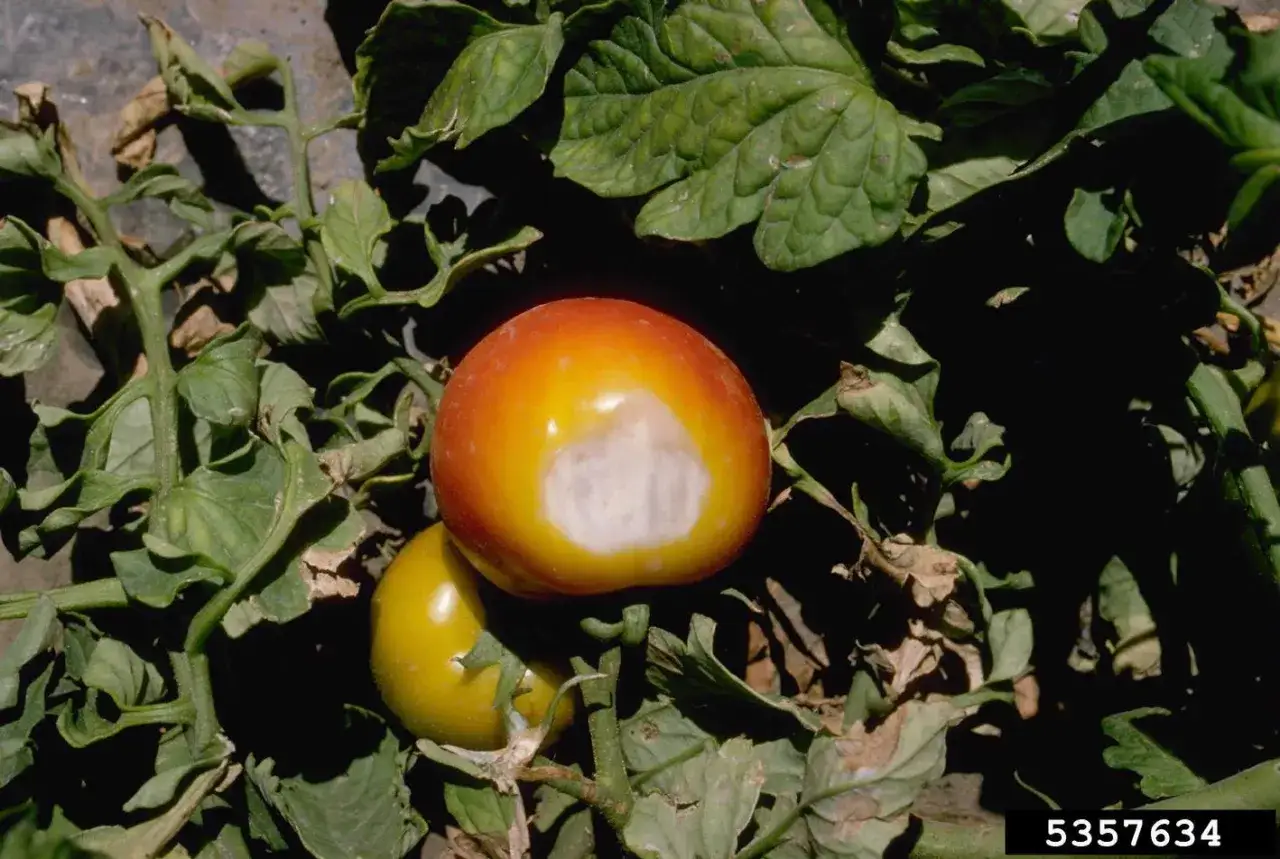
- Sunscald usually shows up on fruit as a pale, bleached, or leathery patch on the side facing the sun.
- Deep watering, mulch, and temporary 20 to 30 percent shade cloth can protect plants during heat spikes.
- Once fruit is sunscalded, it will not heal; the best move is to remove damaged fruit and keep the plant as steady as possible.
Tomatoes need strong light, not a furnace
Tomatoes are full-sun crops, and they reward good light with better growth, heavier flowering, and sweeter fruit. I usually think of them as plants that want brightness from sunrise through the middle of the day, then enough moisture and airflow to keep the root zone from overheating.
Cornell Garden-Based Learning recommends at least 8 hours of direct sun for tomatoes, and that lines up with what I see in productive home gardens. The catch is that more light is not automatically better once the air and soil heat up past the plant's comfort range. In other words, a tomato patch can be sunny and still be too hot.
That distinction matters because people often blame the sun when the real problem is heat stress. If the plants are growing in open, bright conditions but the fruit is still shaded by leaves and the soil stays evenly moist, they usually handle summer very well. The next step is learning the signs that the balance has tipped.
What too much sun looks like in the garden
When tomatoes are stressed by excess sun and heat, the fruit usually tells the story first. Leaves can wilt, curl, or look tired by afternoon, but the classic injury is on the fruit itself, especially when it has lost its natural shade cover.
| What you see | What it usually means | Why it happens |
|---|---|---|
| Pale, white, or yellow patch on the sun-facing side of a tomato | Sunscald | Fruit tissue overheated after being exposed to direct sun |
| Leathery, papery, or slightly sunken skin | Advanced sun damage | The outer layer has been cooked and dried out |
| Flowers drop before setting fruit | Heat stress and poor pollination | High temperatures interfere with pollen function |
| Leaves curl upward or droop in the afternoon | Water and heat stress | The plant is trying to reduce moisture loss |
| Fruit stays orange or green longer than expected | Ripening slowdown | Hot weather can interrupt normal color development |
People often miss sunscald because the plant can still look alive and vigorous. The fruit, however, may already be damaged. Once that tissue is bleached and softened, it becomes an easy target for rot organisms, so I treat it as a quality problem first and a disease risk second.
The practical lesson is simple: if the plant suddenly loses leaf cover, the fruit loses protection. That is why the same tomato can look fine one week and come back with cooked shoulders the next.
The heat levels where problems usually start
Tomatoes love warmth, but there is a clear point where warmth turns into stress. In most gardens, plants still perform well in the 70 to 85 F range, while repeated days above 90 F begin to affect flowering and fruit set. Once you are up around 95 F and beyond, the plant can stall, flowers can fail, and exposed fruit becomes much more vulnerable.
UC Agriculture and Natural Resources notes that above 95 F tomato plants can stop growing, flowers may not pollinate well, and fruit can suffer sunburn. That matches the pattern I see most often in hot-climate gardens: the crop does not die, but it slows down, drops flowers, and shows more blemished fruit.
Here is the part that matters most for home growers in the United States: the problem is not always the total number of daylight hours. A tomato sitting in full southern exposure, next to a heat-reflecting wall, on dry ground, can be under more stress than a plant with the same sun hours in a cooler, breezier spot. The exposure is the same on paper, but not in real life.
- Direct midday sun matters less when leaves are healthy and the soil stays evenly moist.
- Reflected heat from concrete, stucco, or stone can push a bed into a hotter microclimate.
- Containers heat up faster than in-ground beds and dry out much faster.
- Recent pruning can suddenly expose fruit that was protected yesterday.
Once you understand those triggers, the protective steps make a lot more sense, because the goal is not to hide tomatoes from the sun. It is to keep the fruit covered and the roots cool enough for the plant to keep working.
How I protect tomatoes without robbing them of light
The best protection is usually a set of small adjustments, not one dramatic fix. I want the plant to keep getting light, but I also want the fruit shielded and the roots steady enough to handle a hot spell.
- Keep the canopy intact. Do not strip away too many leaves in midsummer. Healthy foliage is the plant's own shade cloth.
- Prune carefully. Remove only diseased, damaged, or ground-touching leaves. Heavy summer pruning often causes more sunscald than it prevents.
- Water deeply and consistently. Dry soil makes heat damage worse fast. In containers, that can mean daily watering during peak summer.
- Add mulch. A 2 to 3 inch layer of straw, shredded leaves, or similar organic mulch helps cool the root zone and slows evaporation.
- Use temporary shade cloth when temperatures spike. A 20 to 30 percent shade cloth, hung above the plants during the hottest part of the day, can reduce stress without starving them of light.
- Move containers if you can. Morning sun and afternoon shade is often the sweet spot for potted tomatoes in hot climates.
I like shade cloth because it is temporary and targeted. It softens the harshest light without turning the whole plant into a shade crop, and it is especially useful when the forecast says several days in the 90s are coming. The important detail is placement: keep the cloth above the canopy so air can move freely.
If the plant is in the ground, I usually prefer to protect it from heat at the soil level first and only shade the canopy when the weather is truly punishing. That approach preserves the sun tomatoes need while reducing the kind of stress that hurts yield.
What to do when fruit is already sunscalded
Once a tomato is sunscalded, it will not repair itself. The damaged side may stay pale, turn papery, or soften and collapse, and in humid weather it can rot quickly. At that point, the fruit is no longer going to finish normally, so the job shifts from rescue to cleanup.
Remove badly damaged fruit as soon as you notice it. If a fruit has only a very small blemished area and the rest is firm, you can often trim away the damaged portion and use the healthy part right away, but anything soft, leaking, or moldy should go straight out of the garden. Leaving bad fruit in place only invites more decay and puts stress on the plant.
Do not rush to hard-prune the plant after a heat event. I have seen gardeners strip away more foliage in an effort to "clean up" the bed, and that usually makes the next wave of fruit even more vulnerable. The better move is to keep watering steady, let the canopy rebuild naturally, and wait until temperatures ease before making major cuts.
If a large share of the crop is showing sunscald, that is often a sign that the plant needs better support or earlier protection, not more direct exposure. Tomatoes are tough, but they are not built to cook uncovered all afternoon.
The simple rule I follow in hot American summers
My rule is straightforward: give tomatoes as much sun as they can use, then protect the fruit from the kind of heat that pushes the plant past its limit. In practice that means morning to early afternoon sun, steady moisture, a healthy canopy, and temporary shade only when the forecast turns extreme.
- If the plants are green, upright, and holding fruit under leaf cover, I usually leave them alone.
- If the forecast hits the mid-90s or higher for several days, I prepare shade cloth before the damage starts.
- If fruit is suddenly exposed after pruning, I expect sunscald unless I add protection fast.
- If the soil is drying out daily, I fix the watering before I blame the sun.
That is the balance I would use in any home garden: strong light for growth, cooler roots for resilience, and enough leaf cover to keep the fruit from getting cooked. Tomatoes do not need a dim garden, but they do need some judgment once summer heat becomes relentless.