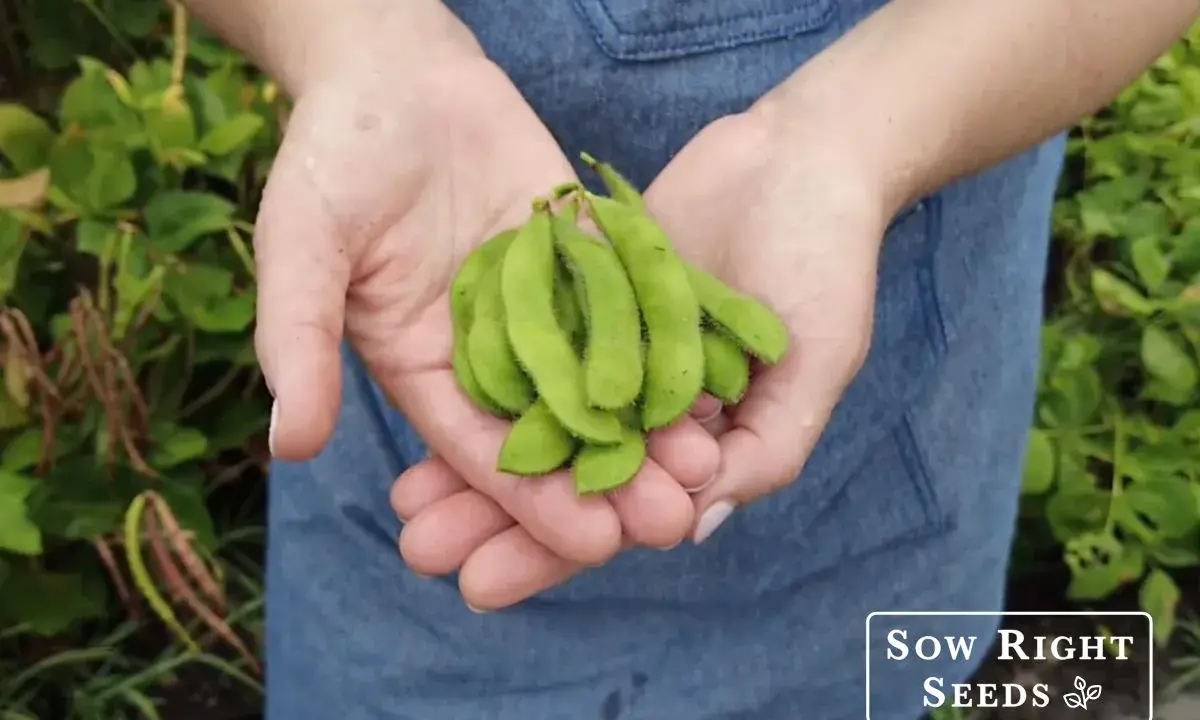
The edamame plant is simply a soybean harvested young, but that small timing difference changes everything about flavor, texture, and how you manage the crop. For a home gardener, it is less about chasing a trendy snack and more about hitting the right soil temperature, spacing, and harvest window. This guide walks through what it is, how to grow it in a U.S. garden, when to pick it, and the mistakes that most often flatten the yield.
The practical essentials for growing and harvesting edamame
- It is a warm-season soybean, not a separate crop, so timing matters more than flashy feeding or heavy handling.
- Cold, wet soil is the fastest way to get weak germination and patchy stands.
- Full sun, warm soil, and moderate fertility do more for pod set than extra nitrogen does.
- The harvest window is short, so check pods often once they begin to fill out.
- Blanch and freeze the surplus if you plant more than a few rows.
What edamame really is and why that matters
Edamame is a vegetable soybean harvested before the seeds fully mature. That makes it different from dry soybeans, which are left on the plant until they harden, and from snap peas, which are eaten for the pod itself. In practice, that means you are managing the plant for bright green pods, tender seeds, and a very short picking window rather than for dry seed production.
| Crop | What you harvest | Main goal | What matters most |
|---|---|---|---|
| Edamame | Green pods with fully filled but still tender beans | Sweet, nutty fresh eating | Warm soil and exact harvest timing |
| Dry soybean | Mature, dry seed | Storage and processing | Full season maturity and dry-down |
| Snap pea | Edible pod | Crisp pod texture | Cooler weather and continuous picking |
One detail gardeners often miss is that soybeans are short-day plants, which means flowering is triggered when nights become long enough. That is why a variety can look healthy all summer and still behave differently depending on latitude and planting date. Once you understand that, the crop stops feeling random and starts feeling very manageable. The next question is whether your site can give it the conditions it wants.
The growing conditions that make or break the crop
I treat edamame as a timing crop first and a space crop second. If the soil is cold, the seed sits there and struggles; if the bed is too rich in nitrogen, you get leaves instead of useful pods. A warm, airy bed with steady moisture is far more important than complicated feeding.
| Condition | Good target | Why it matters |
|---|---|---|
| Sun | At least 6 to 8 hours of direct light | Better flowering and fuller pods |
| Soil temperature at planting | About 60 to 65 F or warmer | Improves germination and reduces rot |
| Soil type | Loose, well-drained loam or amended garden soil | Roots need oxygen and even moisture |
| Soil pH | Roughly 6.0 to 6.8 | Supports nutrient uptake and nodulation |
| Moisture | Even moisture, especially during bloom and pod fill | Prevents aborted blossoms and small seeds |
The phrase pod fill matters here. It is the stage when the seed swells inside the pod, and drought stress at that point hurts quality fast. In much of the United States, I would rather wait a few extra days for warm soil than gamble on an early sowing that stalls. Once the site is right, planting becomes straightforward.
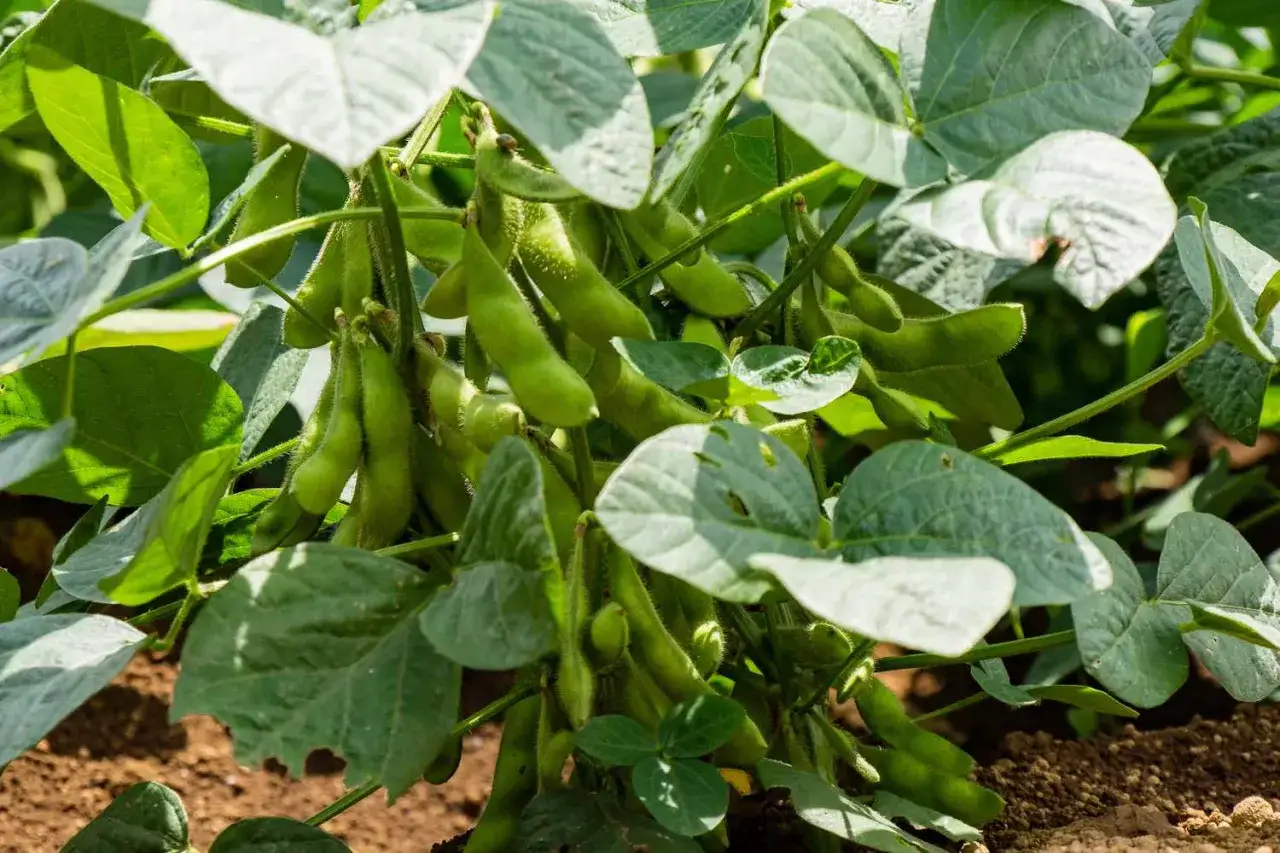
How I plant and manage a reliable stand
A reliable stand is simply a healthy, evenly spaced row of plants that survives to harvest. For edamame, that starts with direct seeding after the last frost, then keeping the bed warm, evenly moist, and free of competition while the seedlings establish.
- Sow seed directly in the garden after frost danger has passed and the soil is warm enough to work with comfortably.
- Plant seeds about 1/2 to 1 inch deep.
- Space plants about 4 to 6 inches apart within the row, with rows roughly 18 to 24 inches apart.
- If the bed has not grown soybeans or other legumes before, inoculate the seed with a soybean inoculant. That is a coating of helpful bacteria that supports nitrogen fixation.
- Water gently but consistently until emergence, then keep moisture even through flowering and pod fill.
- Use only modest fertility unless a soil test shows a real need. Heavy nitrogen pushes foliage at the expense of pods.
Most garden varieties are bushy rather than climbing, so staking is usually unnecessary. That compact habit is one reason the crop fits well into a small edible garden. If you want a longer harvest, I would rather plant two varieties with different maturities than rely on late succession sowing, because flowering is tightly tied to day length. The real payoff comes when the plants are ready and you catch them on time.
Harvest timing is where the flavor is won
The harvest window is short, and that is where many first-time growers lose quality. Pick pods when they are full-sized, bright green, and tightly filled so the beans nearly touch inside the pod. At that stage, the seeds are sweet and nutty. If you wait too long and the pods start yellowing, the flavor turns starchier and the texture gets dull.
In most gardens, harvest comes roughly 10 to 12 weeks after planting, though variety and local climate can stretch that a little in either direction. I prefer to check plants every day once the pods start swelling, because a few warm days can move the crop from perfect to past peak very quickly. Harvest early in the morning if you can, then cool the pods right away.
- Pick by hand or clip pods with small snips if the stems are tough.
- Boil or steam the pods briefly, then salt lightly and serve them while they are still fresh.
- If the crop is larger than you can eat fast, blanch and freeze the shelled beans.
- Do not leave the pods on the plant to dry unless you actually want dry soybeans instead of edamame.
That narrow window is exactly why this crop feels rewarding when you time it well. The next thing that can spoil it is not the harvest itself, but the avoidable problems that weaken the plants before they ever set pods.
The main problems that reduce pods and quality
Most failures come from a few predictable causes, and once you know them, the crop is easier to protect. Cold soil, poor drainage, excess nitrogen, drought during bloom, and crowding are the big ones. Pests and diseases matter too, but they usually become more damaging when the planting is already stressed.
- Cold, wet seedbeds can delay emergence or rot seed. Warm soil and drainage solve most of that risk.
- Too much nitrogen drives leafy growth and weak pod set. Soybeans already fix their own nitrogen once nodules are active.
- Water stress during bloom and pod fill can abort flowers or leave pods small and flat.
- Weeds compete hard while the plants are young. Keep the row clean early, before the canopy closes.
- Pests and disease can include aphids, stink bugs, leafhoppers, Mexican bean beetles, powdery mildew, frogeye leaf spot, rust, and bacterial blight.
Good spacing, rotation away from legumes for a few seasons, and steady airflow do more than most gardeners expect. If a problem keeps showing up in the same bed, I would fix the bed conditions before reaching for any chemical control, especially because not every soybean product is labeled for edamame. That practical discipline is what keeps the crop dependable rather than frustrating.
The simple checklist I would use for a first planting
If I were starting fresh, I would keep the plan short and boring on purpose. That is usually how edible crops become successful in a home garden: not through special tricks, but through a few decisions made at the right time.
- Choose an early to midseason variety that suits your region.
- Wait for warm soil instead of planting by calendar alone.
- Give the bed full sun and good drainage.
- Keep fertility moderate and moisture steady.
- Check pods often and harvest as soon as they are full and green.
That is the version I recommend for gardeners who want a dependable edible crop without babying it. If you give the bed warmth, light, and restraint with fertilizer, the edamame plant pays back with a short, concentrated harvest that feels generous rather than fussy.