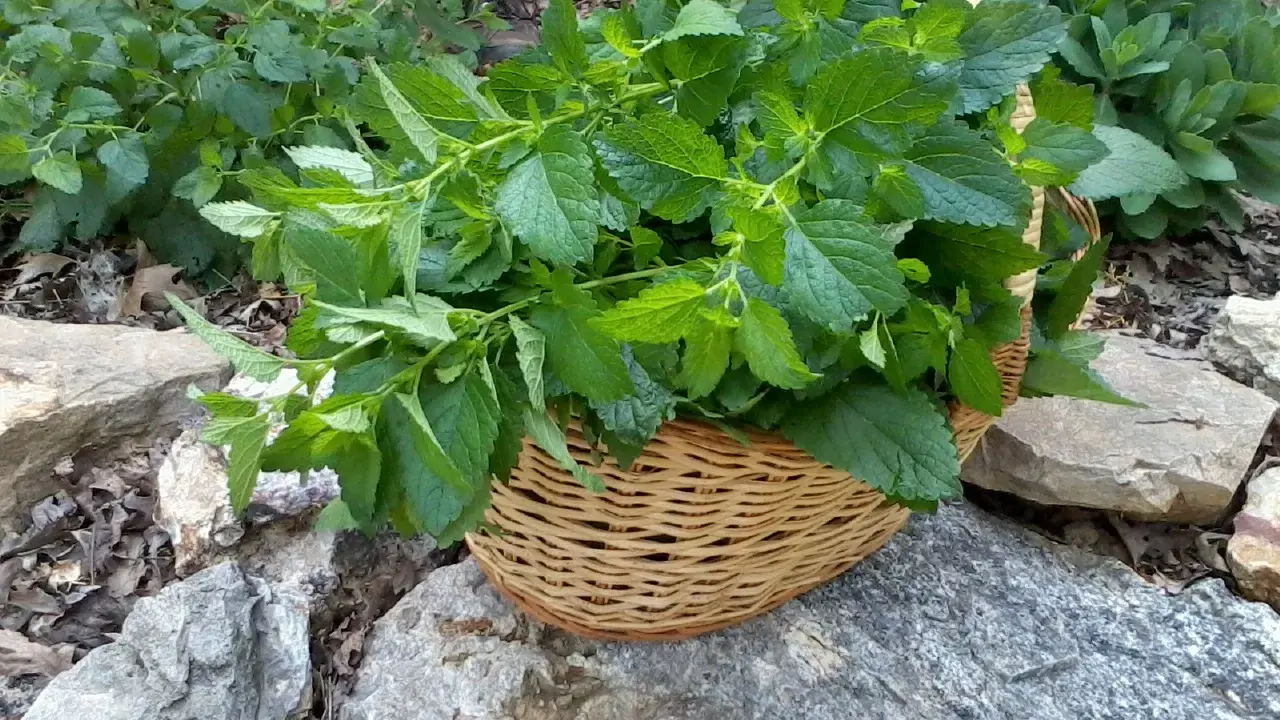
Delicate, lemony herbs are easy to dismiss until you actually cook with them, and then their value becomes obvious. Lemon balm leaves bring a soft citrus note to tea, fruit, salads, and light savory dishes, but the difference between a bright bowl of herbs and a tired one usually comes down to harvest timing and handling. I want to show you how to recognize the right leaves, use them well, store them properly, and avoid the mistakes that flatten their flavor.
The key details at a glance
- The best leaves are young, bright green, slightly fuzzy, and strongly aromatic when rubbed.
- Flavor is mild, lemony, and a little mint-like; it works best when used fresh or added late.
- Harvest before flowering if you want the cleanest taste and the strongest aroma.
- Fresh, dried, and frozen leaves each have a different job in the kitchen.
- Grow the plant in a pot or keep cutting it back if you do not want it to spread.
- Use concentrated extracts more cautiously than ordinary culinary sprigs.
How lemon balm leaves should look and smell
In the garden, I look for light green, heart- to arrow-shaped leaves with a soft, slightly rough surface. The texture matters more than people think: healthy leaves feel tender but not flimsy, and when you rub them between your fingers they release a clean citrus scent rather than a sharp perfume. I also rule out bee balm, which is a different plant even though the names get mixed up. A mature plant usually grows to around 2 feet tall, with branching stems and leaves in opposite pairs along the stem, which makes it easier to spot once you know what to look for.The strongest leaves are the younger ones near the top of the plant. Older growth is still usable, but the flavor gets less lively and the texture turns coarser. If the plant has already pushed into flowering, I treat the foliage with a lighter hand and expect a softer result in the kitchen. That leads naturally to the part most readers care about next: what the herb actually tastes like when it lands in a dish.
What the flavor does well in food and drink
I think of this herb as a soft, citrus-forward mint rather than a lemon substitute. It gives dishes freshness without the acidity of actual lemon juice, which is why it works so well in tea, fruit salads, simple syrups, vinaigrettes, and light poultry or fish dishes. It also sits comfortably with berries, peaches, cucumber, yogurt, and honey, where the herb’s gentler notes are easier to notice.
The biggest mistake is overusing it. A few chopped leaves can brighten a dish; a heavy handful can push the flavor toward green, medicinal, or dull. I use it like basil in that sense: add enough to matter, but not so much that the herb takes over the plate. If the leaves are going into a cooked dish, I usually add them near the end so the aroma stays intact instead of disappearing into the heat.
For drinks, the herb is at its best when treated gently. A small handful in hot water makes a clean herbal infusion, while a few sprigs muddled into lemonade or iced tea give a softer finish than mint alone. Once the flavor profile is clear, the real difference comes from how and when you harvest it.
When and how to harvest for the brightest aroma
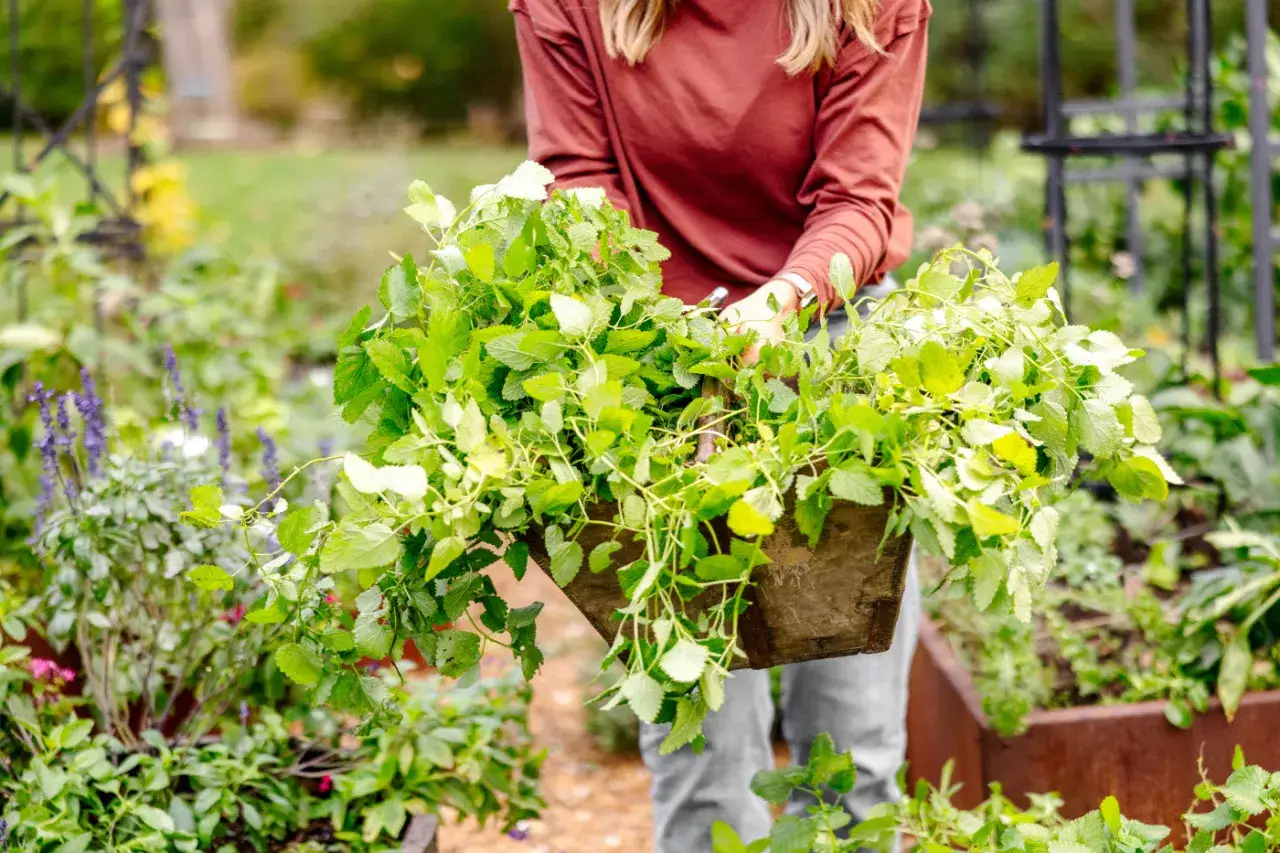
The cleanest flavor comes before flowering, when the plant has put more energy into new foliage. I harvest in the morning after the dew has dried, because wet leaves bruise easily and dry poorly. If I am cutting for the kitchen, I take the top few inches of growth and leave enough plant behind to keep it vigorous. A good rule is to remove no more than one-third of the foliage at a time.
Regular cutting does two things at once: it gives you usable leaves and keeps the plant bushier. That matters because lemon balm can get rangy fast, especially in fertile soil. If flower stalks appear and flavor is your priority, I remove them rather than letting the plant spend its energy on seed. In practice, that usually means more tender leaves later in the season and a better harvest overall.
Once the stems are cut, I handle them gently. Bruised leaves darken faster, and the aroma fades sooner than you expect. From there, the next choice is whether to use the leaves fresh, dry them, or freeze them for later.
Fresh, dried, or frozen, which form works best
Each form has a different job, and I would not treat them as interchangeable. Fresh leaves bring the cleanest aroma, dried leaves are convenient for storage, and frozen leaves sit somewhere in between. If you only care about flavor in the kitchen, fresh is usually the best version; if you care about winter use, dried or frozen makes more sense.
| Form | Best use | What changes | My take |
|---|---|---|---|
| Fresh | Tea, garnish, fruit, salads, quick infusions | Brightest scent and cleanest taste | The version I reach for first when the plant is in season |
| Dried | Tea, seasoning, pantry storage | Loses some aroma but keeps the herb useful for months | Best when you want convenience more than freshness |
| Frozen | Cooked dishes, teas, simple syrups | Texture softens, but flavor stays closer to fresh than dried | A smart middle ground if the harvest is larger than you can use quickly |
If I am drying it, I keep the stems bundled in a dark, airy place and strip the leaves only after they are fully dry. Air drying can take 2 to 4 weeks, and direct sun is not your friend because it strips color and aroma faster. If I am freezing it, I use the leaves sooner rather than later. Frozen herbs are about convenience and flavor preservation, not perfect texture. That leads straight into the common mistakes that make the herb disappointing.
Common mistakes that flatten the flavor
The first mistake is waiting too long to harvest. Once the plant flowers heavily, the leaves get less punchy, and the herb starts to feel more like background greenery than a kitchen ingredient. The second mistake is drying it too aggressively. Hot, bright conditions can turn a fragrant herb into something faint and dusty.
The third mistake is using too much in a single dish. Because the flavor is subtle, people often assume they need a lot of it, but too much quickly turns the taste flat and leafy. The fourth is planting it without a boundary. In a home garden, this herb can spread more than beginners expect, so I like containers or a designated edge where I can cut it back without worrying about the rest of the bed.
I also separate kitchen use from supplement use in my own mind. A few leaves in tea or food are one thing; concentrated extracts, capsules, or oils are another. That distinction matters when you think about caution and how the plant fits into a practical home garden.
How I would keep one plant productive all season
If I wanted a steady supply, I would not wait for a giant harvest. I would pinch the tops regularly, cut back flower stalks, and keep the plant in a spot where I can reach it often. That steady pressure keeps the foliage young, which is exactly where the best flavor lives. In a U.S. home garden, a single healthy plant can be enough for regular tea and light cooking if you harvest it thoughtfully.
For storage, I would dry a small batch for winter tea and freeze another small batch for cooking. That gives you options without forcing the plant to do all the work at once. If the clump starts to look tired after a few seasons, I would divide or replace it rather than trying to squeeze flavor out of woody growth. Fresh, young leaves are the whole game here, and the plant rewards anyone who treats it that way.
For most kitchens, the practical answer is simple: pick tender growth early, use it lightly, and preserve only what you will actually use later. Do that, and the herb stays useful without becoming a maintenance problem.