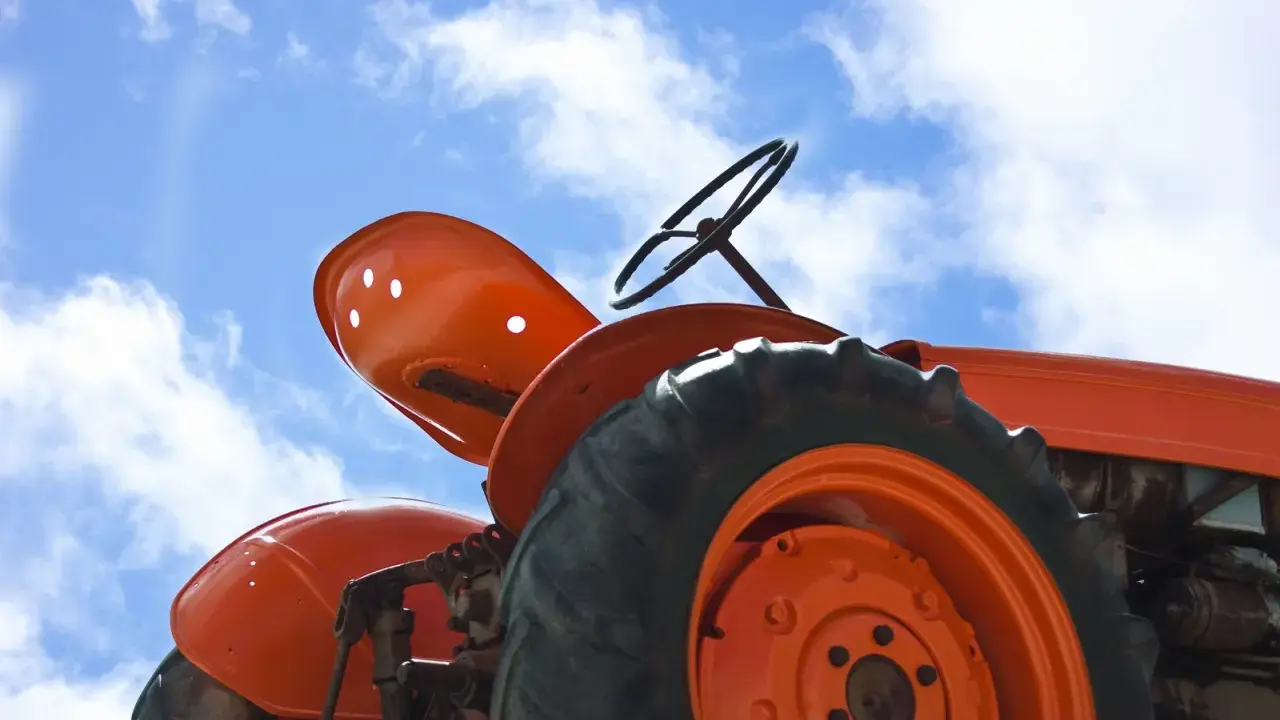
Choosing a tractor is really a question of fit: the right machine should match your acreage, your terrain, and the work you repeat every week. In this guide, I break down different size Kubota tractors from the smallest sub-compact models to the heavier utility machines, then show where each size actually earns its keep on a farm. The goal is simple: help you avoid paying for horsepower you will not use, or buying a tractor that feels too small the first time you hook up a loader or run a tiller.
The quickest way to narrow the right tractor size
- Kubota’s size ladder matters. Sub-compact, compact, and utility/agriculture tractors solve very different farm problems.
- Engine horsepower is not the whole story. PTO power, weight, hydraulics, and hitch capacity often decide what the tractor can really do.
- BX and B01 are the tight-space winners. They suit mowing, light loader work, snow removal, and smaller properties.
- LX, Standard L, and Grand L70 are the sweet spot for many small farms. They add stability, stronger implement support, and more comfort.
- MX and M5 are for heavier jobs. If lifting, pulling, and long workdays are routine, these classes start making more sense.
- The biggest mistake is shopping by acreage alone. The right size depends more on implements, terrain, and workload than on land size by itself.
How Kubota’s size ladder is organized
Kubota USA currently organizes its tractor lineup into sub-compact, compact, and utility/agriculture groups, and Kubota Basics defines a sub-compact tractor as the smallest category, designed for light-duty tasks, small properties, and hobby farming. That structure is useful because each step up the ladder changes more than engine output: you get more weight, more hydraulic muscle, a stronger hitch setup, and more confidence with larger implements. In other words, size is not just about appearance; it changes the kind of work the tractor can handle all day without feeling strained.
| Size band | Current Kubota examples | Gross horsepower | Current U.S. starting MSRP | Best fit |
|---|---|---|---|---|
| Sub-compact | BX series | 16.6 to 23.3 HP | From about $12,798 | Mowing, snow removal, light loader work, and tight spaces |
| Light compact | B01 series | 20.9 to 24.3 HP | From about $15,230 | Small farms, hobby farms, mixed chores, and narrow-row work |
| Compact | LX series | 23.3 to 39.8 HP | From about $20,337 | More demanding property work, loader use, and light farm tasks |
| Core compact | Standard L series | 23.3 to 48.4 HP | From about $17,449 | General farm maintenance, 3-point implements, and dependable utility work |
| Premium compact | Grand L70 series | 37 to 60 HP | From about $31,829 | Heavier compact-tractor jobs, longer days, and more serious loader work |
| Utility | MX series | 50.3 to 63.4 HP | From about $29,170 | Livestock chores, heavier material handling, and year-round farm use |
| Utility/agriculture | M5 series and larger utility-ag models | 92.5 to 105.6 HP on M5, with larger models going higher | From about $78,563 on M5 | Serious field work, larger implements, and farms that need real production capacity |
The horsepower bands overlap on purpose. That overlap is not a mistake; it reflects different frames, transmission options, cab choices, and hydraulic setups. I treat the table as a work map, not a ranking of better or worse, because the “right” tractor is the one that fits your chores, not the one with the biggest number on the hood. Once that is clear, the next question becomes much more practical: what size actually fits the work you do.
Which size fits which farm job
When I size a tractor for farm use, I start with the daily workload, not the acreage on paper. A five-acre property with heavy loader work can demand more tractor than a twenty-acre place that mostly needs mowing. The best comparison is not “small versus big”; it is “what job does each machine solve without frustration?”
| Farm situation | Size I would start with | Why it fits | When to move up |
|---|---|---|---|
| 1 to 3 acres, lawn care, snow, light cleanup | BX | Easy to maneuver, gentle on turf, and simple to store | Move up if loader work becomes frequent or you need more lift and clearance |
| 3 to 10 acres, mixed chores, small livestock, garden work | B01 or LX | Enough size for a broader attachment range without losing agility | Move up if the tractor spends more time hauling, grading, or working rough ground |
| 10 to 25 acres, hobby farm, fence work, feed handling, light tillage | LX or Standard L | Better balance between power, lift capacity, and attachment compatibility | Move up if you start running heavier rear implements or bigger front loaders |
| 25 to 50 acres, livestock chores, manure handling, driveway work | Grand L70 or MX | More weight and hydraulic confidence for repetitive loader work and longer days | Move up if you need wider implements or higher field productivity |
| 50+ acres, hay, heavier field chores, larger-scale farm maintenance | MX or M5 | Better suited to the pace and pull of larger implement work | Move up if the tractor is becoming a production tool instead of a multi-purpose helper |
One special case is worth calling out: the B2401 Narrow is under 36 inches wide, which makes it a better fit for vineyards, greenhouses, nurseries, and other tight-row operations. That kind of tractor is a reminder that width can matter as much as horsepower when rows are tight or structures are close. Once the use case is clear, the real spec sheet starts to matter more than the brochure headline.
The specs that matter more than engine horsepower
PTO horsepower decides what your implements can actually do
Engine horsepower is useful, but PTO horsepower is what tells you how much usable power reaches the implement. If I am choosing between two tractors, I care less about a glossy engine number and more about whether the PTO can comfortably run the tiller, mower, or spreader I plan to use. This is where a tractor can feel stronger or weaker than the marketing makes it look.
Hydraulics and lift capacity matter on loader-heavy farms
Once a tractor spends real time on a front loader, hydraulic performance becomes a major part of the buying decision. Lift height, breakout force, cycle speed, and rear ballast all affect how safe and efficient the machine feels. A tractor that lifts awkwardly or gets light in the rear is not just inconvenient; it slows work down and makes the operator work harder than necessary.
Weight and wheelbase change stability
Heavier tractors are not automatically better, but they are often more useful in the field because they plant better and handle rougher ground more calmly. That matters in muddy lanes, uneven pastures, and on hills where a lighter tractor can lose traction before it runs out of horsepower. In practice, weight is one of the biggest reasons a tractor in the next size class feels so much more capable.
Read Also: BMR Corn Silage - Is It Right for Your Farm?
Transmission choice changes the kind of work the tractor likes
Hydrostatic transmissions are easy to live with for loader work, mowing, and stop-and-go chores. Gear-drive setups can be the better match when the job is steady pulling and you want mechanical efficiency. I usually tell people to think about the work rhythm first: if you are constantly changing direction, an HST feels natural; if you are pulling a tiller or working straight rows, a gear setup may make more sense.
Once you know which specs are doing the real work, the jumps between adjacent Kubota classes become easier to understand. That is where buyers often realize they were comparing the wrong numbers.
How the adjacent size steps feel in real work
Once you compare different size Kubota tractors side by side, the biggest surprise is usually how quickly weight, stability, and attachment range start to change the feel of the machine. On paper, some of the jumps look modest. In the field, they can feel like a different tool entirely.
| Size jump | What usually improves | What you give up | How I read the tradeoff |
|---|---|---|---|
| BX to B01 | More versatility, a broader model mix, and better room for light farm chores | A little compactness and some of the easiest storage convenience | A sensible move if you are outgrowing lawn-and-property work but still need a small footprint |
| B01 to LX | More comfort, more horsepower ceiling, and stronger all-around utility | Some agility in very tight spaces | This is often the point where a small farm starts feeling better served by a true compact work tractor |
| LX to Standard L | Better 3-point hitch capability, more robust work manners, and stronger implement support | A bit more bulk and a less “small tractor” feel | For many operators, this is the best value zone if the tractor has to do real farm work all year |
| Standard L to Grand L70 | More refinement, stronger performance across heavier compact chores, and better long-day comfort | A price step that is hard to ignore | Worth it when loader work, heavier tools, or cab comfort are no longer occasional needs |
| Grand L70 to MX and M5 | More weight, more productivity, and better ability to handle larger implements | More transport demands, more storage pressure, and a bigger budget | This is the shift from “one machine for everything” to “one machine that can seriously move production” |
I like this comparison because it exposes the real decision point: the next size up usually does not just add horsepower, it changes how confidently the tractor works under load. That is why the most expensive mistake is not buying too much tractor; it is buying just enough tractor for the brochure and too little for the job.
The mistakes that make a tractor feel too small or too expensive
Most sizing errors are not mechanical. They are planning errors. The tractor itself is usually fine; the problem is that it was chosen for the wrong use pattern.
- Buying by acreage alone. A compact farm with manure handling, loader work, and rough footing can demand more tractor than a larger property that mostly needs mowing.
- Ignoring the heaviest implement. The tractor should be sized around the largest attachment you truly plan to run, not the smallest one you use most often.
- Forgetting ballast and traction. Loader work changes everything. Without enough rear ballast and the right tire setup, even a powerful tractor can feel awkward.
- Choosing a tractor that does not fit the property. Barn doors, gates, trailers, tree lines, and shed height all matter. A machine that is technically capable but hard to move around the farm gets old fast.
- Underestimating seat time. If you are on the tractor for hours, cab comfort, visibility, and easy controls stop being luxuries and start being productivity features.
- Assuming bigger always means better. A larger tractor can be overkill if most of your work is mowing, feeding, and light cleanup, and it may cost more to buy, fuel, and store.
One practical example: a sub-compact like the BX can be a great fit when storage is tight and the work stays light, while a Standard L or Grand L70 makes more sense once the tractor has to handle a loader, a heavier rear implement, and longer working days. That is the difference between a machine that feels efficient and one that feels like a compromise every time you use it. The last step is turning those warnings into a clean buying rule.
The sizing rule I trust when the tractor has to earn its keep
My rule is simple. Start with the heaviest job you repeat every week, then choose the smallest tractor that can do that job comfortably without constant compromise. If that tractor also handles your lighter chores well, you have the right size. If it only handles them grudgingly, you are already shopping in the wrong class.
- List your top three jobs in order of frequency, not importance.
- Pick the largest implement you realistically want to own in the next few years.
- Add one size class if you work hills, mud, or heavy loader cycles on a regular basis.
- Choose a cab only if weather, dust, heat, or long hours will genuinely affect how often you use the tractor.
- Leave budget for ballast, a loader if you need one, and the first implement or two, because the tractor and the tools have to make sense together.
If your work is mostly mowing, cleanup, and light property maintenance, the BX, B01, and LX families are usually where the conversation should begin. If your days involve lifting, hauling, feeding livestock, grading, and running heavier tools, the Standard L, Grand L70, and MX lines become more convincing, and the M5 class is where serious field work starts to feel natural. That is the cleanest way I know to compare different size Kubota tractors: job first, implement second, frame third. Once those three line up, the model choice usually becomes much clearer.