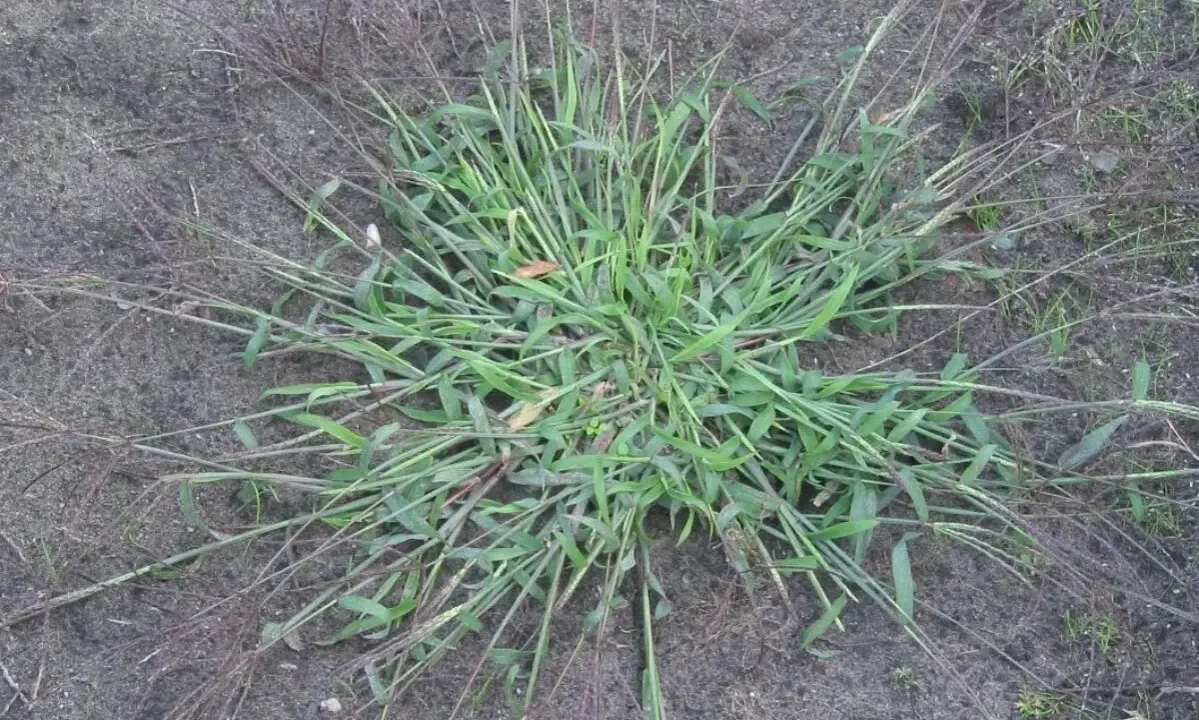
Crabgrass is not a mystery weed. It shows up when a lawn is thin, stressed, mowed too short, compacted, or left open to hot sunlight at the soil surface. The short answer to why does crab grass grow is simple: it is a warm-season annual built to exploit weak turf, and this article breaks down the conditions behind it, how it spreads, and what actually keeps it under control in American lawns.
The practical answer in one screen
- Crabgrass germinates when soil temperatures reach about 55°F, then grows hard through summer heat.
- It wins where turf is thin, compacted, drought-stressed, or cut too low.
- Dense grass is the best defense because it shades the soil and leaves fewer gaps for seedlings.
- Pre-emergent control has to happen before germination; once plants are established, control gets harder fast.
- Core aeration, higher mowing, proper watering, and overseeding do more for long-term control than one emergency spray.
Why crabgrass gets a foothold in lawns
Crabgrass is a summer annual grass, which means it completes its life cycle in one season and returns the following year from seed, not from the same plant. In practical terms, that means the weed is always waiting for an opening in spring, then taking advantage of heat, light, and bare soil once conditions line up.
It is also built for speed. When soil warms to roughly 55°F, the seeds start to germinate. By summer, the plant is filling in damaged spots, producing seedheads, and spreading more seed before frost kills it off. That is why a small patch in May can turn into a much bigger problem by August. Once you understand that cycle, the next question is not just "what is it?", but "what created the opening?"
That opening is usually not bad luck. It is usually a lawn-care problem that crabgrass happens to exploit very well.
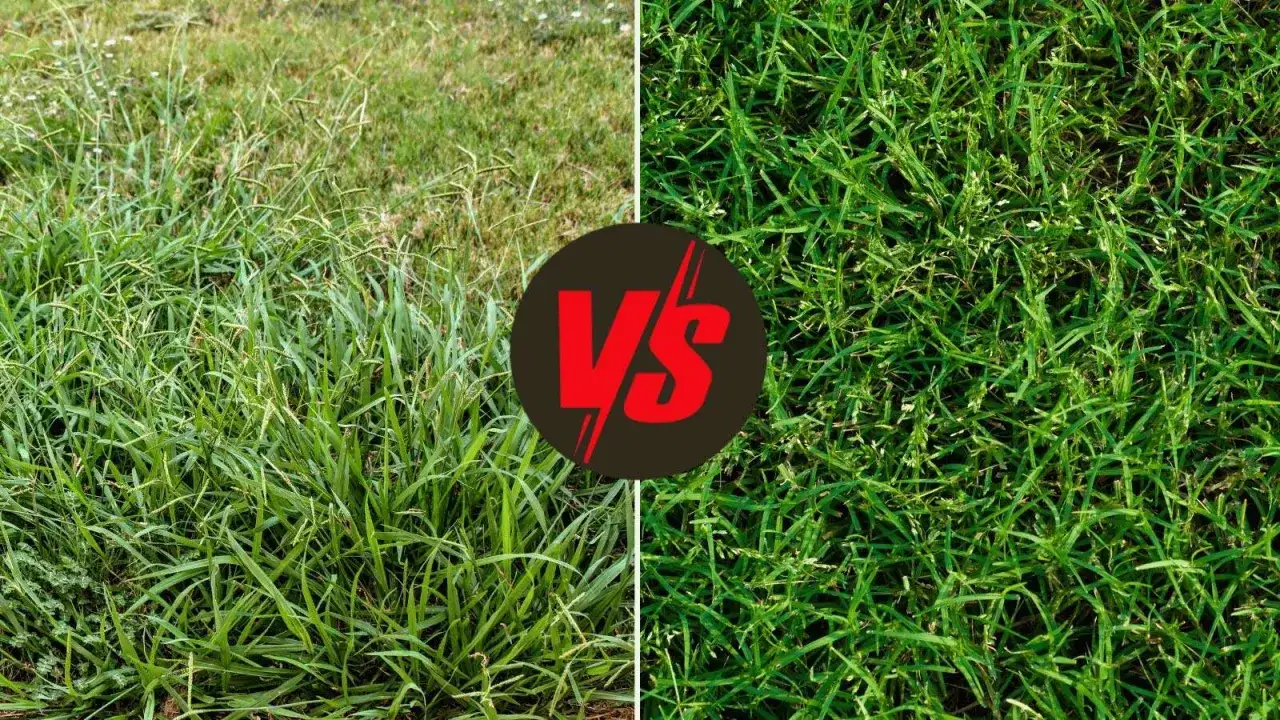
The conditions that turn a lawn into open territory
When I see crabgrass taking over a yard, I look for the same handful of stress factors over and over. The weed prefers hot, dry, compacted areas, and it gets especially comfortable where sunlight reaches the soil because the grass canopy is thin.
| Condition | Why it helps crabgrass | What to change |
|---|---|---|
| Thin or bare turf | Seeds land on exposed soil and germinate without competition. | Overseed thin spots and keep living grass cover dense. |
| Compacted soil | Desirable turf struggles to root deeply, while crabgrass tolerates the stress better. | Core aerate and reduce foot traffic in problem areas. |
| Low mowing | More light reaches the soil, which helps weed seeds sprout. | Raise mowing height to at least 3 inches. |
| Drought stress or shallow watering | Weak turf leaves gaps; crabgrass handles heat better than many lawn grasses. | Water deeply and less often so roots grow downward. |
| Recently disturbed soil | Newly seeded or scraped areas have open space and little competition. | Plan seeding and weed prevention so they do not work against each other. |
What matters here is not one bad habit by itself. It is the combination: a short cut, a compacted patch, a few hot weeks, and a thin stand of turf. Once those factors stack up, crabgrass behaves less like an invader and more like a plant that has found exactly the conditions it was waiting for. That leads directly to the next point: how it spreads once it gets started.
How crabgrass spreads and why it comes back
Crabgrass spreads in two ways that matter to homeowners. First, it tillers, which means one plant throws out extra shoots and turns into a clump. Second, it produces a lot of seed. In a single season, one plant can make an enormous number of seeds, so even a modest infestation can seed the next round of trouble.
The plant also creeps along the ground and can root at the nodes, which helps a patch thicken fast in open soil. If you let the seedheads mature, you are not just looking at this season's weed problem anymore - you are stocking next spring's soil seed bank. That is why a crabgrass patch is always more urgent than it looks.
Because it dies at frost, people sometimes assume the problem solved itself. It did not. The visible plants disappear, but the seed remains ready for the next warm spring. That is why control has to be built around prevention and turf density, not just cleanup.
What actually keeps it under control
I do not treat crabgrass as a spray-only problem. The most reliable defense is a lawn that closes bare ground quickly and stays vigorous through summer stress.
| Practice | Why it works | Best use |
|---|---|---|
| Mow at 3 inches or higher | Shades the soil and makes it harder for seeds to germinate. | All season, especially in sunny areas. |
| Water deeply and less often | Encourages deeper roots in turf and reduces shallow stress. | During active growth and dry spells. |
| Core aerate compacted zones | Improves air, water, and nutrient movement through the soil. | When the soil is tight or traffic has beaten it down. |
| Overseed thin areas | Fills the gaps that crabgrass would otherwise claim. | Late summer or early fall for cool-season lawns. |
| Use a soil test before fertilizing | Helps correct nutrient problems without overfeeding the lawn. | Before major lawn repair or seasonal feeding. |
If a site is chronically shaded, badly compacted, or too difficult to keep thick, I would also question whether turfgrass is the right long-term cover there. Sometimes the smartest lawn-care decision is not forcing grass to win every square foot, but choosing a better planting strategy for that spot. Once the turf is healthier, herbicides become a supporting tool instead of the whole strategy.
When herbicides make sense and when they do not
Herbicides can help, but only when timing matches the weed's life cycle. Pre-emergent products stop seedlings before they emerge, which is why they are useful in spring. Post-emergent products try to kill plants that are already visible, but they work best when the crabgrass is still young and small.
| Type | What it does | Key timing point | Main limitation |
|---|---|---|---|
| Pre-emergent | Creates a barrier that stops germinating seeds. | Apply before soil temperatures reach about 55°F. | It will not fix crabgrass that is already up, and it can interfere with seeding. |
| Post-emergent | Targets plants after they have emerged. | Use while plants are still young. | Effectiveness drops as plants get larger and more mature. |
The biggest mistake I see is waiting too long. By midsummer, a lot of crabgrass is already too established for easy rescue. If you are planning to seed a thin lawn, that timing matters even more, because prevention products and new seed do not always belong in the same window. A good lawn plan avoids that conflict instead of trying to solve it after the fact.
The mistakes that make crabgrass worse
- Mowing too short - this lets more light hit the soil and stresses the turf at the same time.
- Watering lightly every day - this encourages shallow roots and keeps the surface friendly to weed seedlings.
- Ignoring compacted soil - grass weakens where air and water cannot move freely.
- Applying pre-emergent and overseeding together - that can block the new grass you are trying to establish.
- Letting patches go to seed - every seedhead increases the problem for next spring.
These are simple mistakes, but they are expensive in the long run because each one gives crabgrass the conditions it needs: light, space, and stress on the turf. Fixing them is not glamorous, but it is the difference between a lawn that keeps resetting every year and one that gradually closes the door on weeds. That is exactly where I would focus if the yard keeps getting hit.
A practical plan for a U.S. lawn that keeps getting crabgrass
If I were rebuilding a lawn that gets crabgrass every season, I would work in layers instead of chasing every patch separately. The point is to make the turf stronger before the weed has a chance to exploit it.
- Early spring - apply pre-emergent only if you are not seeding, and aim for timing before soil reaches about 55°F.
- Late spring through summer - mow at least 3 inches high and water deeply rather than frequently.
- Late summer or early fall - core aerate compacted areas, overseed bare spots, and repair thin turf before the next warm season.
- Any time crabgrass is small - remove or spot-treat it before it has a chance to mature and seed.
That approach is slower than a quick spray, but it is the one that holds up. Crabgrass thrives when the soil is exposed and the turf is struggling; once you fix those conditions, the weed stops being a surprise and starts looking like the symptom it always was.