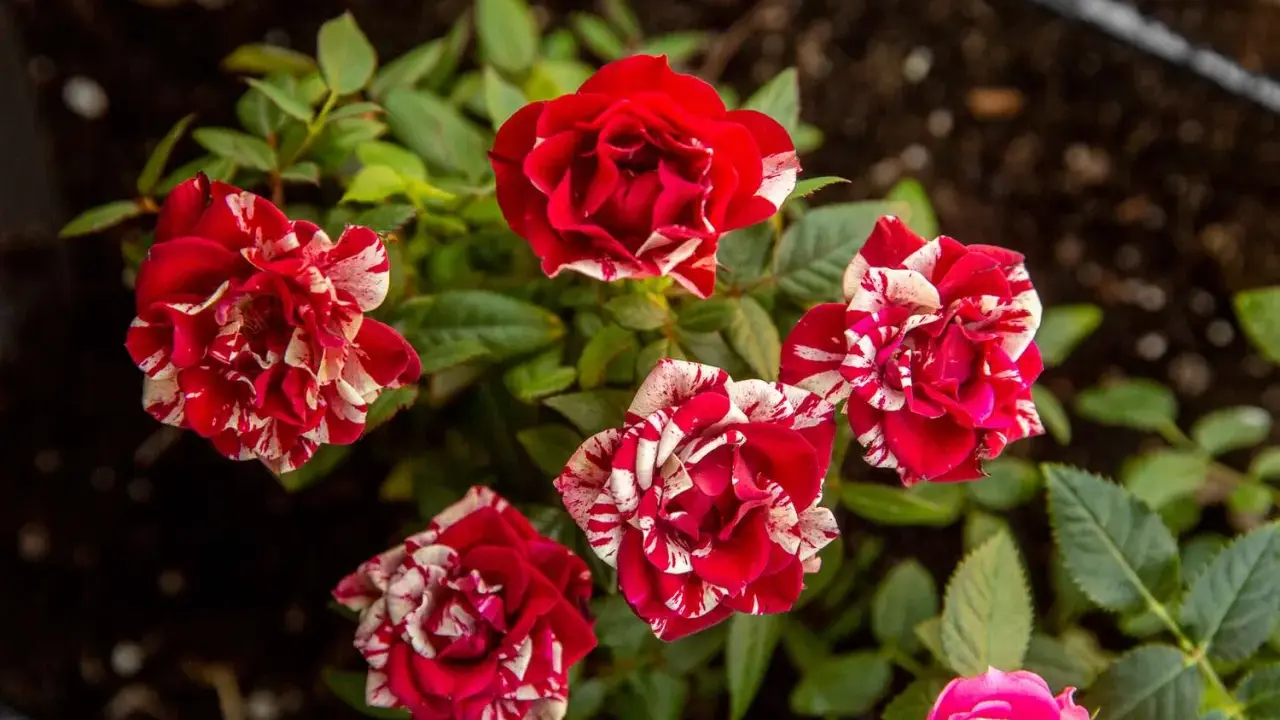
These are the habits that keep miniature roses healthy
- Light first: Aim for at least 6 hours of direct sun, with morning sun doing the most useful work outdoors.
- Water carefully: Let the top layer dry, then water deeply and drain the saucer; container plants need closer monitoring in heat.
- Use the right soil: A free-draining, organically rich mix beats heavy garden soil every time.
- Feed lightly: Use a diluted balanced fertilizer during active growth, then ease off before late season.
- Keep them open and clean: Deadhead, remove weak growth, and improve airflow to reduce black spot, mildew, and mites.
- Indoors is possible, but demanding: Bright light and stable temperatures matter more than decorative placement.
What miniature roses need to stay compact and bloom
I start with placement, because most miniature rose problems begin there. These plants are small, but they are not low-light houseplants. They want sun, air, and a root zone that drains quickly after watering.
| Growing spot | What works best | Common mistake |
|---|---|---|
| Garden bed | At least 6 hours of direct sun, open airflow, and well-drained soil | Planting in a crowded corner where leaves stay wet |
| Container | A pot with drainage holes, about 6 inches deep and 8 to 12 inches across for a small plant | Using a decorative cachepot without drainage |
| Indoor window | Bright south- or west-facing light, or a strong grow light | Expecting decent bloom in a dim room |
If your climate brings intense afternoon heat, a little shelter after lunch is fine, but I would not trade away morning sun. Morning light dries the foliage faster, and that alone helps prevent a lot of disease pressure. Once the plant has the right placement, watering becomes much easier to judge.
Watering them on a schedule the roots can use
Watering miniature roses is less about fixed calendars and more about reading the mix. In pots, I check the surface with my finger; when the top inch feels dry, I water thoroughly until moisture runs from the drainage holes. Then I empty the saucer. Roots that sit in water for long do not stay healthy for long.
- Water in the morning when you can. Leaves dry faster, and disease has less of a foothold.
- Water the soil, not the foliage when possible. Overhead watering is one of the easiest ways to invite black spot and mildew.
- In garden beds, the old rule of about 1 inch of water per week is a useful starting point, but hot weather and sandy soil can push that higher.
- In containers, daily checking is normal during warm spells. Small pots dry faster than most people expect.
The two mistakes I see most often are drenching a plant on a fixed schedule and then ignoring it for a week, or giving tiny drinks that never reach the deeper roots. Both produce weak growth. A proper soak followed by drainage is the better habit, and it leads directly into the next part of the routine: feeding and soil quality.
Soil, feeding, and repotting without overdoing it
Miniature roses like a mix that is rich but not heavy. Garden soil alone is usually too dense for pots, while a quality potting mix with compost or other organic matter gives roots air as well as moisture. The target is slightly acidic to neutral soil that drains freely.
| Task | Practical rule | Why it matters |
|---|---|---|
| Feeding | Use a diluted balanced fertilizer every 2 to 4 weeks during active growth | Supports repeat blooming without forcing soft, leafy growth |
| Repotting | Move up one pot size when roots crowd the container or water runs through too fast | Restores moisture balance and fresh nutrients |
| Refresh mix | Top up or replace old potting mix at the start of a new season | Prevents compaction and salt buildup |
I would rather feed a little less often than overfeed a miniature rose. Too much fertilizer can push lush leaves at the expense of flowers, and soft growth is easier for aphids and mildew to exploit. If the plant is in active bloom, a light schedule is enough; if it is slowing down for the season, back off naturally. Once the growth is balanced, pruning and deadheading do the rest of the work.
Pruning and deadheading that keep blooms coming
Deadheading is the simplest way to extend the show. I cut spent flowers back to the first strong leaf set or an outward-facing bud, making a clean slanted cut rather than leaving a stub. That small habit tells the plant to keep sending energy into new flower buds instead of seed production.
- Remove faded blooms as soon as they start to collapse.
- Cut weak, crossing, or damaged stems so the center stays open.
- In late winter or very early spring, shorten the plant lightly and shape it, but do not butcher it into a stump.
- Stop aggressive deadheading toward the end of summer if your goal is to let the plant slow down before winter.
The reason this matters is simple: compact roses get crowded fast. Once the center fills in with thin shoots, airflow drops and disease risk rises. A little selective pruning does more than heavy cutting after the plant is already stressed, and it makes the plant easier to inspect for pests.
The pests and diseases I watch for first
Most problems show up early if you look closely at the newest growth. I check the undersides of leaves, the tips of stems, and any bloom cluster that looks misshapen. The goal is to catch trouble when it is still a cleanup job, not a rescue mission.
| Problem | Early signs | First response |
|---|---|---|
| Aphids | Sticky residue, curled tips, clusters of small soft insects | Rinse them off, then use insecticidal soap if needed |
| Spider mites | Fine speckling, bronzed leaves, light webbing | Wash the undersides of leaves with a strong water spray and improve airflow |
| Black spot | Black leaf spots followed by yellowing and drop | Remove affected leaves, keep foliage dry, and thin crowded growth |
| Powdery mildew | White dusty film on leaves or buds | Increase light and air movement, then avoid overhead watering |
I treat these as a management problem first. Crowding, stagnant air, and wet foliage create most of the pressure. If the plant grows in the right place and gets cleaned up regularly, you usually need far less intervention than people expect. That is especially true when the plant has to spend part of the year indoors.
Indoor and winter care when the temperature drops
Miniature roses can live indoors for a while, but they need real light to do it. A sunny south or west window is the minimum I would trust, and a grow light helps a lot if natural light is weak. Keep the pot away from heating vents, cold drafts, and the sharp temperature swings that happen near exterior doors.
Before a hard freeze, move container plants to shelter. Water when the surface dries, but do not keep the mix soggy. If the plant is still actively growing under bright indoor light, a dilute feed every 2 to 4 weeks is reasonable; if it slows down, reduce the fertilizer rather than forcing growth in poor conditions.
- Outdoor wintering: Mulch around the base in cold regions if the plant stays outside.
- Indoor wintering: Expect slower growth and fewer blooms than in summer light.
- Potted plants: Keep them just moist, never waterlogged, and rotate the pot so growth stays even.
The main decision is whether you want the plant to stay decorative through winter or simply survive until spring. Those are not the same goal, and the care level is different. Once you know that, the day-to-day routine becomes much easier to keep consistent.
The routine that keeps miniature roses easier next season
If I had to reduce miniature rose care to a repeatable routine, it would be this: bright light, consistent watering, light feeding, and frequent cleanup. Those four habits solve most of the problems people blame on “fussy roses.”
- Check the soil before watering instead of guessing.
- Remove spent blooms and weak stems before they become a crowding problem.
- Give the plant enough sun that it can dry quickly after rain or watering.
- Watch for mites, aphids, and leaf spots as soon as weather turns warm and humid.
That approach is what keeps miniature roses from becoming short-lived gift plants. With the right balance of light, moisture, and airflow, they can stay compact, flower repeatedly, and remain worth the space they take up.