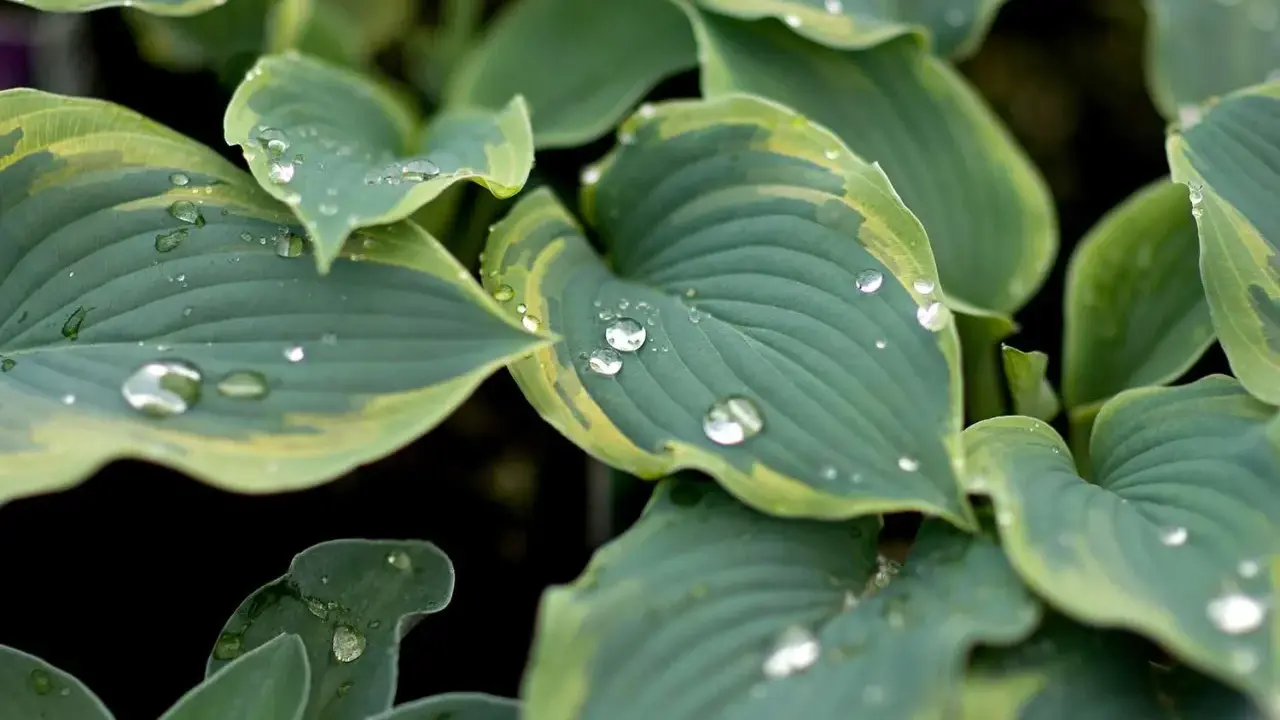
Hostas earn their place in shade gardens because they solve a practical problem: they bring structure, texture, and color to spots where many ornamentals struggle. Among the many hosta types available, the real choices come down to mature size, leaf color, texture, and how much light the plant can handle. In this guide, I break those differences down in a way that is useful for real planting decisions, not just plant labels.
The main differences come down to size, color, and light response
- Size is the first filter: mini, small, medium, large, and giant hostas solve very different design problems.
- Leaf color is a light clue: blue, green, gold, and variegated foliage behave differently in sun and shade.
- Texture matters: thick, puckered, or corrugated leaves usually read as more substantial in the garden.
- Flowers are secondary for most cultivars, but fragrant bloomers can be worth choosing on purpose.
- Site conditions decide success: moisture, drainage, and summer heat often matter more than catalog photos.
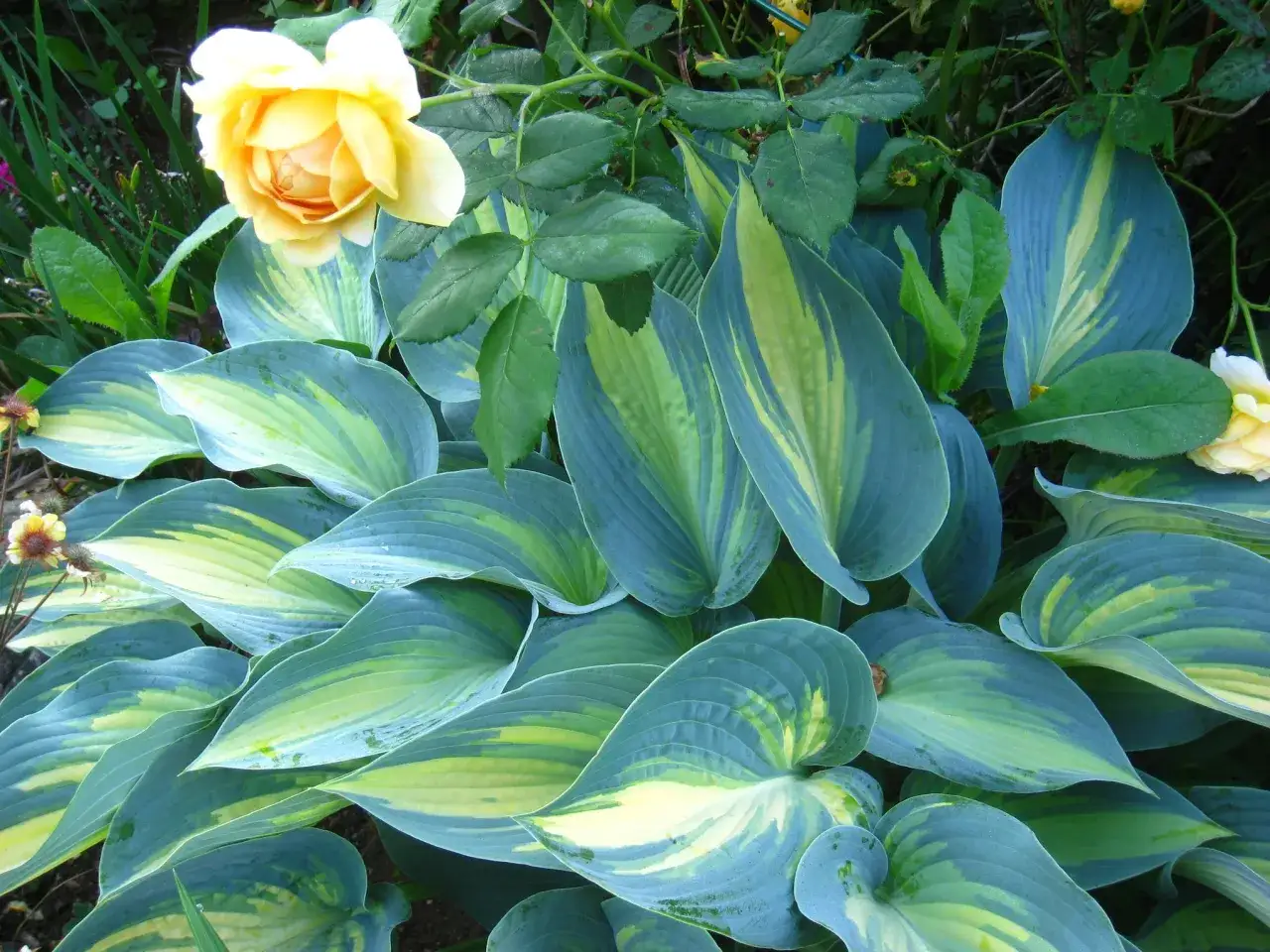
How hostas are grouped by size and growth habit
I start with mature size because it determines where a hosta can actually live. The American Hosta Society keeps a separate leaf-show classification, but for gardeners the more useful split is clump size, since that tells you whether a plant belongs in a border edge, a foundation bed, or a backdrop planting.
| Size class | Typical mature height | Best use in the garden | What it usually signals |
|---|---|---|---|
| Dwarf | Under 4 inches | Containers, troughs, tight edging | Very small-scale growth, often collectible |
| Miniature | 4 to 6 inches | Front-of-border accents, containers, rock gardens | Compact clumps and fine detail |
| Small | 6 to 10 inches | Path edges, mixed shade beds | Easy to fit into crowded spaces |
| Medium | 10 to 18 inches | General-purpose shade plantings | The most flexible class for most yards |
| Large | 18 to 28 inches | Mid-border anchors, mass plantings | Strong visual presence without overwhelming a bed |
| Giant | Over 28 inches | Backdrops, focal points, large shade beds | Room-hungry plants that need space to look right |
Once the size class is clear, I can move on to the trait that actually changes how the plant performs in the landscape: the foliage itself.
Leaf color, variegation, and texture tell you how the plant will behave
Hostas are usually sold for their leaves, and that is the right place to focus. Leaf color is not just decoration; it is a clue to how much light the plant can tolerate and how stable its color will stay through the season. In practice, I treat leaf color as a growing-condition forecast.
| Leaf group | Typical look | Light that usually suits it best | Practical note |
|---|---|---|---|
| Blue | Blue-green to powdery blue foliage | Deep shade to dappled shade | Color often fades in too much sun |
| Green | Solid green, from glossy to matte | Partial shade to filtered light | Usually the most forgiving group |
| Gold and chartreuse | Yellow-green to bright gold | Bright shade or gentle morning sun | Too much heat can bleach or scorch the leaves |
| Variegated | White, cream, or yellow markings on green or blue foliage | Bright shade with protection from harsh afternoon sun | Needs enough light to keep its pattern clean |
Shape and texture matter just as much. Leaves can be heart-shaped, lance-shaped, cupped, wavy, twisted, or deeply puckered. A smooth-leaved hosta looks softer and more refined, while a corrugated or heavily veined plant reads as bold and architectural. I also watch for a powdery bloom on blue leaves, called pruinose, because it contributes to that cool, blue cast many gardeners want.
The common variegation patterns are worth knowing too. Marginal variegation means the light color sits on the edge of the leaf. Medio-variegation places the lighter color in the center. That detail is useful because it helps you predict where the visual emphasis will land once the plant matures.
With size and foliage traits in mind, it becomes much easier to understand the species and breeding lines that shaped modern hostas.
The species behind the modern cultivars still matter
Most garden hostas are hybrids, but the old species still explain a lot of what you see in today’s cultivars. When I want to understand why one plant looks heavy and blue while another is glossy and fragrant, I go back to the species background. That is where the main personality traits usually come from.
| Species or line | Signature traits | Why gardeners care |
|---|---|---|
| Hosta plantaginea | Large, white, fragrant flowers; glossy foliage; better heat tolerance than many hostas | The go-to choice when bloom fragrance matters |
| Hosta sieboldiana | Thick, blue-green leaves with substantial texture | It explains many of the classic blue hosta forms |
| Hosta minor | Smaller scale, narrower or lance-like leaves in some forms | Useful for compact spaces and collector beds |
| Hosta longissima | Narrow, strap-shaped leaves; a more specialized look | Shows that hostas are not all broad and rounded |
That species background matters because it explains tradeoffs. A plant descended from thick-leaved blue types may hold color and texture well, but it may also need cooler shade. A glossy, fragrant type may bloom beautifully, but it may not give you the same classic blue tone. In ornamental planting, those tradeoffs are normal. I would rather match the plant to the job than chase a perfect catalog image that does not fit the site.
Knowing the species lines also helps when a plant is labeled as a cultivar, because a cultivar is simply a selected garden form propagated to keep its traits stable. That distinction is the bridge to the most visible hosta feature of all: the flowers.
Flowers matter, but they are not the main event
Iowa State University Extension notes that hosta flowers can be beautiful, occasionally fragrant, and even attractive to pollinators and hummingbirds. That is true, but in most gardens the foliage still carries the design. The blooms rise on leafless stems called scapes, usually in summer, and they can be white, pale lavender, purple, or, in some cultivars, strongly scented.
For many gardeners, the bloom is a bonus. For others, especially in a tight border, it can feel like clutter. I often remove spent scapes at the base when I want the leaves to stay visually dominant. That does not harm the plant, and it keeps the bed looking clean. If I am choosing a hosta specifically for flowers, though, I want one with fragrance or a bloom color that adds something the leaves cannot.
The most famous flowering hosta is Hosta plantaginea, which stands apart because its white flowers are genuinely fragrant. That matters in a way many catalog descriptions do not fully capture. A fragrant hosta is not just a foliage plant with a bonus bloom; it becomes a sensory plant, especially along a path, near a bench, or close to a porch where the scent can be appreciated.
That brings me to the part most gardeners care about most after the name and the color: where each plant actually belongs in the yard.
How I choose the right hosta for a U.S. garden site
The best hosta is the one that fits the light, the soil, and the amount of room you have. In the United States, that usually means thinking in terms of shade intensity, summer heat, and winter moisture. Hostas like moisture, but they do not like sitting in soggy soil, especially in winter. I also avoid planting them where the crown will be battered by hot afternoon sun unless the cultivar is known to cope with it.
| Site condition | Best hosta choices | Why they fit |
|---|---|---|
| Deep shade under trees | Blue and darker green hostas | They keep better color in cooler light |
| Bright shade or morning sun | Gold, chartreuse, and many variegated cultivars | They show stronger color without overheating as easily |
| Tight border or container | Miniature and small hostas | They stay in scale and do not swallow neighboring plants |
| Large shade bed or backdrop | Medium to giant hostas | They create mass and visual structure |
| Dry shade beneath trees | Thick-leaved, corrugated, or waxy types | They usually hold up better once established |
There are also a few mistakes I see over and over. The first is buying for spring color without checking mature spread. The second is planting blue hostas in full afternoon sun and then wondering why they lose their tone. The third is assuming variegated hostas always want more sun; they usually want enough light to keep the pattern, not all-day heat. And the fourth is ignoring slug pressure in cool, damp beds. Hostas are tough, but a crowded, wet, shaded corner can still become a slug magnet.
I usually tell gardeners to think in layers. Put the biggest hosta where it can anchor the bed. Add a medium variegated plant to brighten the middle distance. Then use a mini or small form at the edge to finish the composition cleanly. That simple structure is often more effective than filling a bed with ten unrelated cultivars.
When the site rules are clear, the fun part begins: choosing the individual plants that deserve space in the bed.
The hostas I would start with in a typical shade border
If I were building a dependable shade planting from scratch, I would not start with the rarest cultivar. I would start with plants that show the range of the genus clearly and perform well in ordinary conditions.
- ‘Blue Mouse Ears’ - a miniature with thick, rounded leaves that makes sense for edging, troughs, and containers.
- ‘Halcyon’ - a classic blue hosta with steady color and a clean, compact look that works in most shade beds.
- ‘June’ - a medium variegated hosta that brightens dull shade without looking flashy.
- ‘Patriot’ - a strong marginal-variegated plant that gives bold contrast and reads well from a distance.
- ‘Sum and Substance’ - a giant gold hosta that acts like an anchor plant in a large bed.
- Hosta plantaginea - the flower-first choice if fragrance is part of the design brief.
That mix gives me scale, contrast, and a practical test of the site. If the blue plant fades, the gold one burns, or the giant outgrows the bed, I learn something useful about the space before I commit to more planting. That is the part of hosta design that matters most to me: not choosing the plant that looks best in a photo, but the one that will still look right after a few seasons of real weather.
When I think about hostas as ornamentals, I think in layers: size, leaf color, texture, and bloom. Get those four things aligned with the site, and the plant usually does the rest. That is why the best hosta collections are not built on novelty alone; they are built on plants that earn their place every year.
